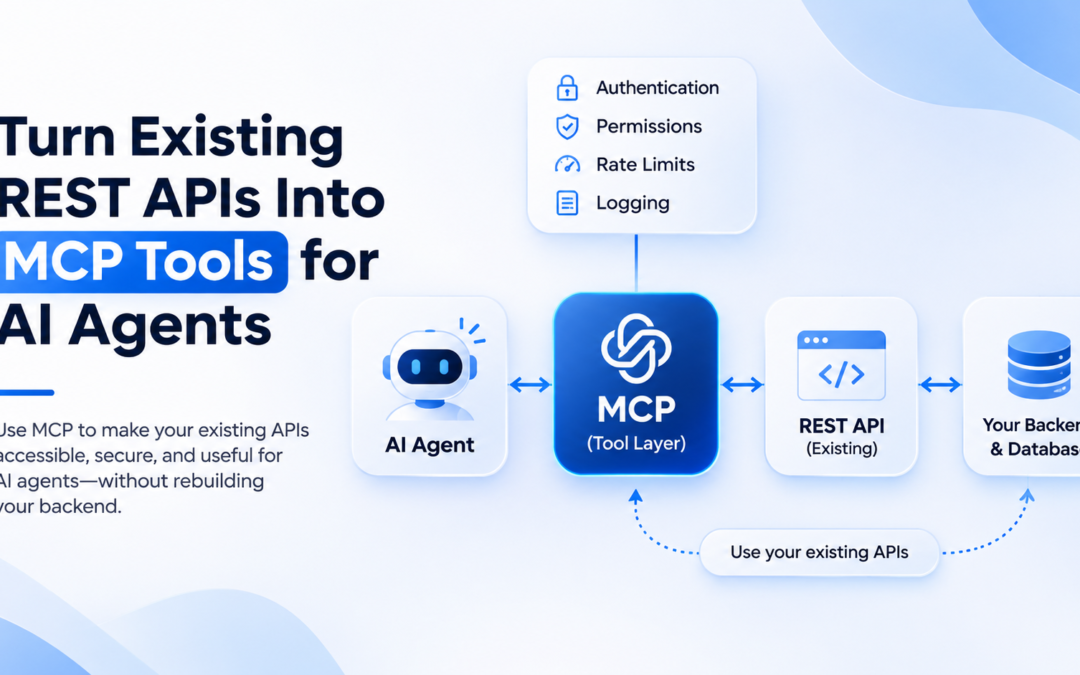
by Hanzala | Nov 1, 2026 | AI Architecture
Most companies already have useful business functions behind REST APIs. Their APIs can read customer records, check orders, create tickets, update a CRM, search products, or start internal workflows. The problem is that an AI agent does not automatically know what...
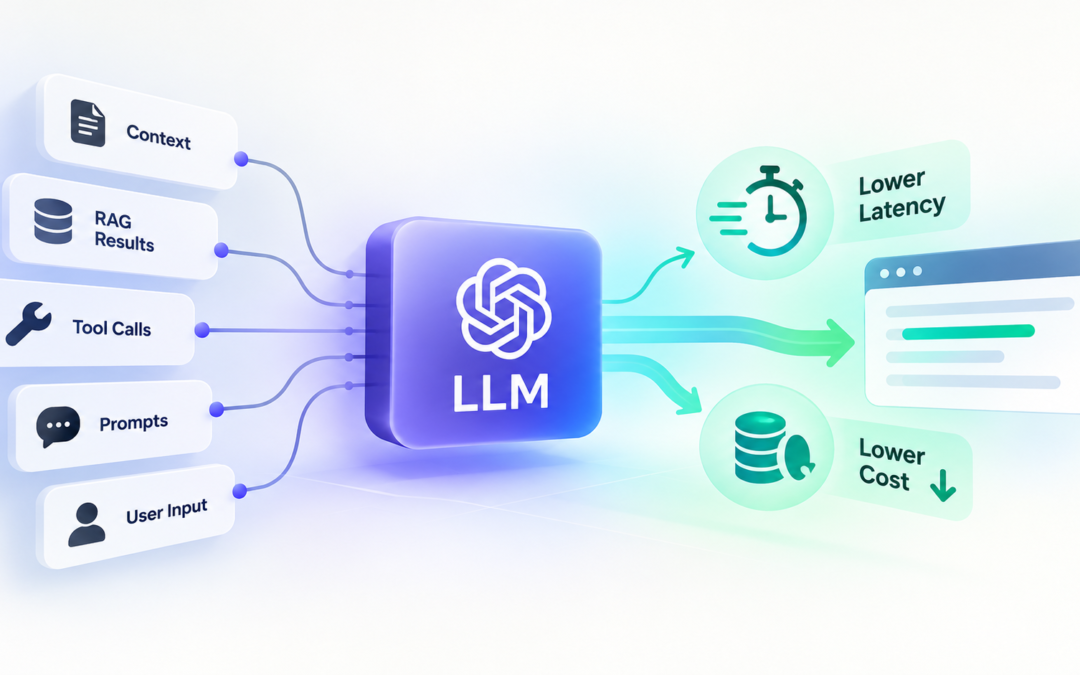
by Hanzala | Oct 24, 2026 | AI Architecture
An LLM application can feel fast during development and become slow or expensive once real users start using it. In many cases, the model itself has not changed. What changed is the amount of context, the number of tool calls, the size of the output, the number of...
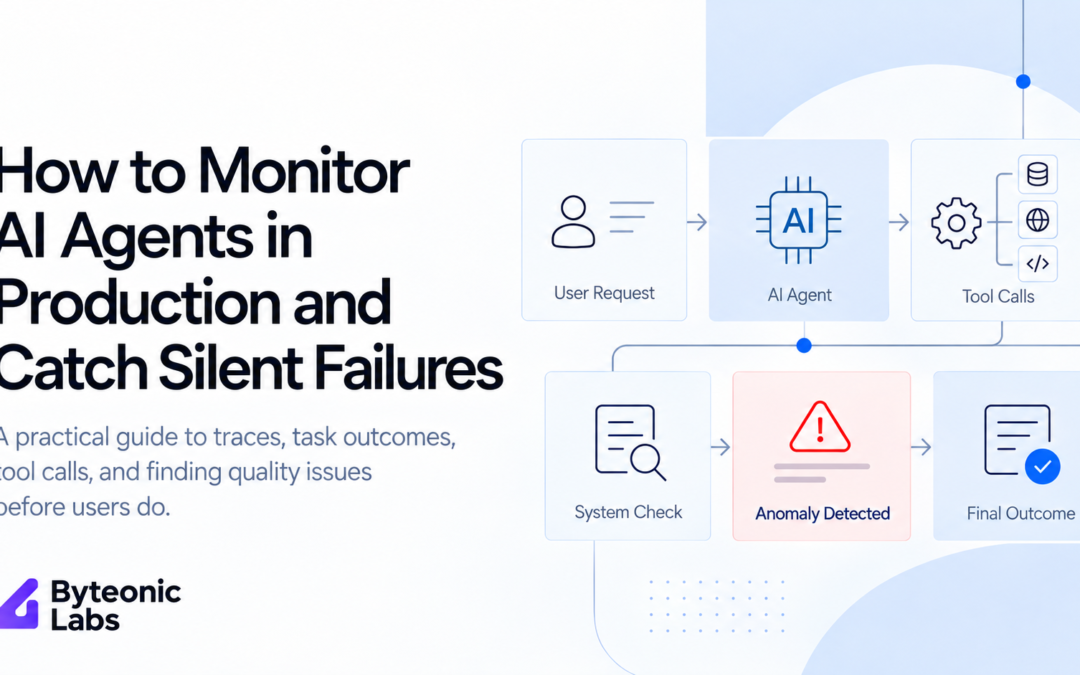
by Hanzala | Oct 13, 2026 | AI Architecture
An AI agent can fail even when your monitoring dashboard says everything is healthy. The API returns a successful response. The model answers. The tool call finishes. Nothing crashes. But the agent still does the wrong thing. Imagine a customer asks an AI support...

by Hanzala | Sep 22, 2026 | AI Architecture
A company updates its refund policy from 30 days to 14 days. The new policy is already live on its website, but its AI assistant continues telling customers that they have 30 days to request a refund. The AI model is working. The problem is that the RAG system is...
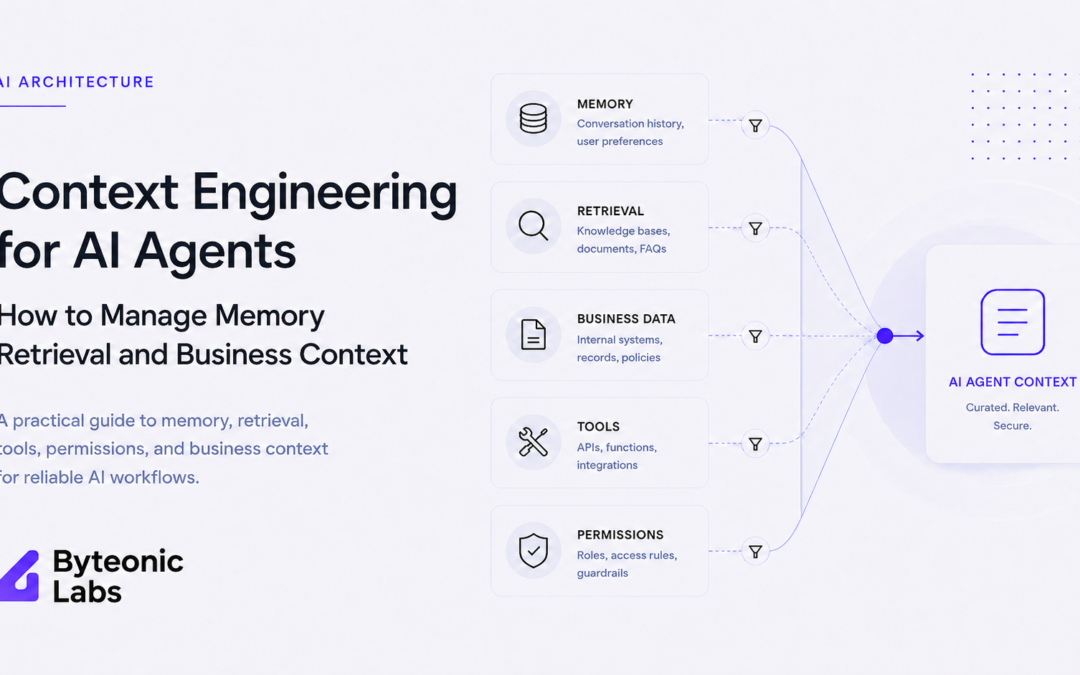
by Byteonic | Jul 22, 2026 | AI Architecture
A strong AI model can still give a poor result when it receives the wrong information. The prompt may be clear. The model may be capable. The tools may work correctly. But if the agent receives old records, irrelevant conversation history, too many tool descriptions,...
by Byteonic | Jul 18, 2026 | AI Architecture
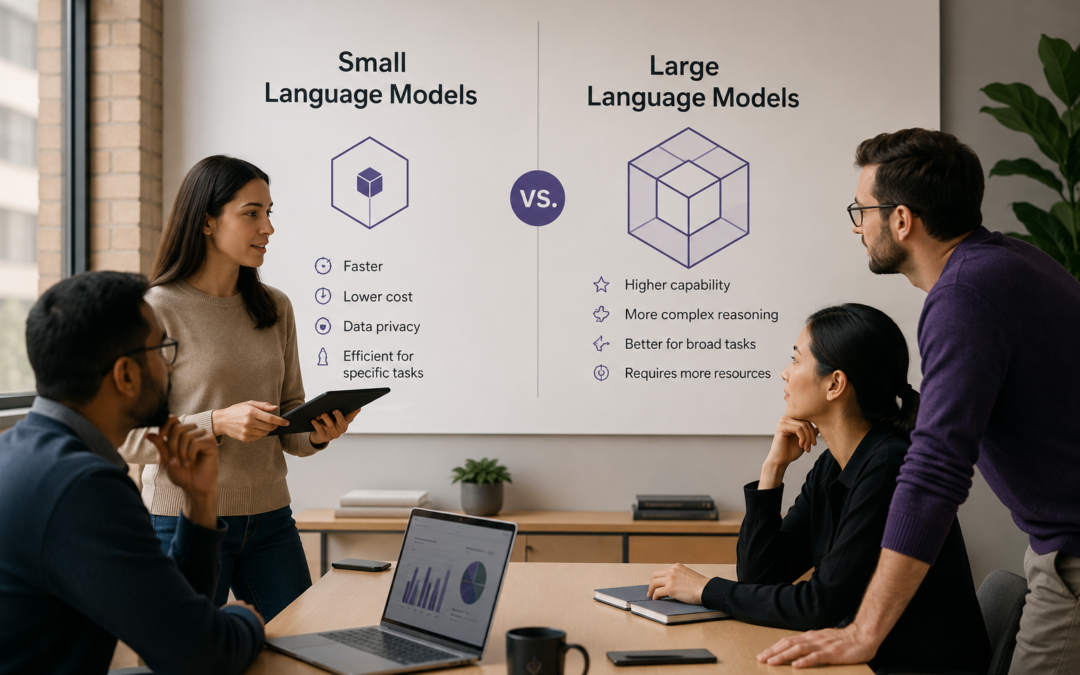
Many businesses start an AI project by choosing the largest model they can afford. The assumption is simple. A larger model must produce better results. That assumption is often wrong. Large language models are useful when a task requires broad knowledge, complex...