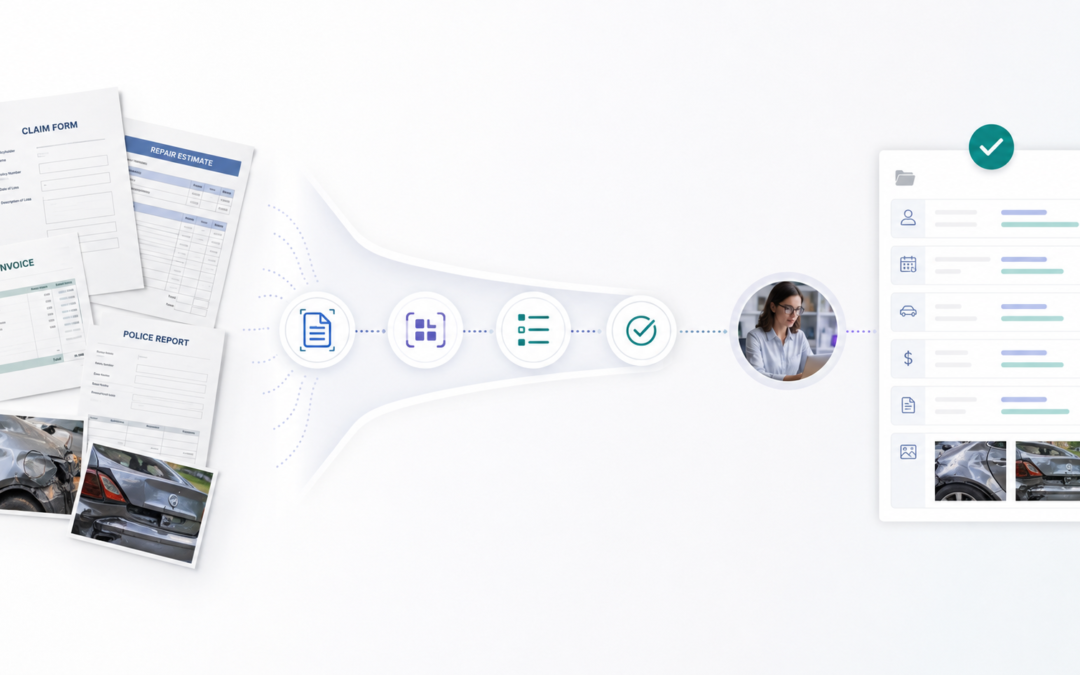
by Hanzala | Aug 14, 2026 | AI Implementation
Insurance claims teams receive a lot of documents. A single claim may include a claim form, repair estimate, invoice, police report, medical document, damage photos, email attachments, policy information, and supporting documents from different people. The difficult...
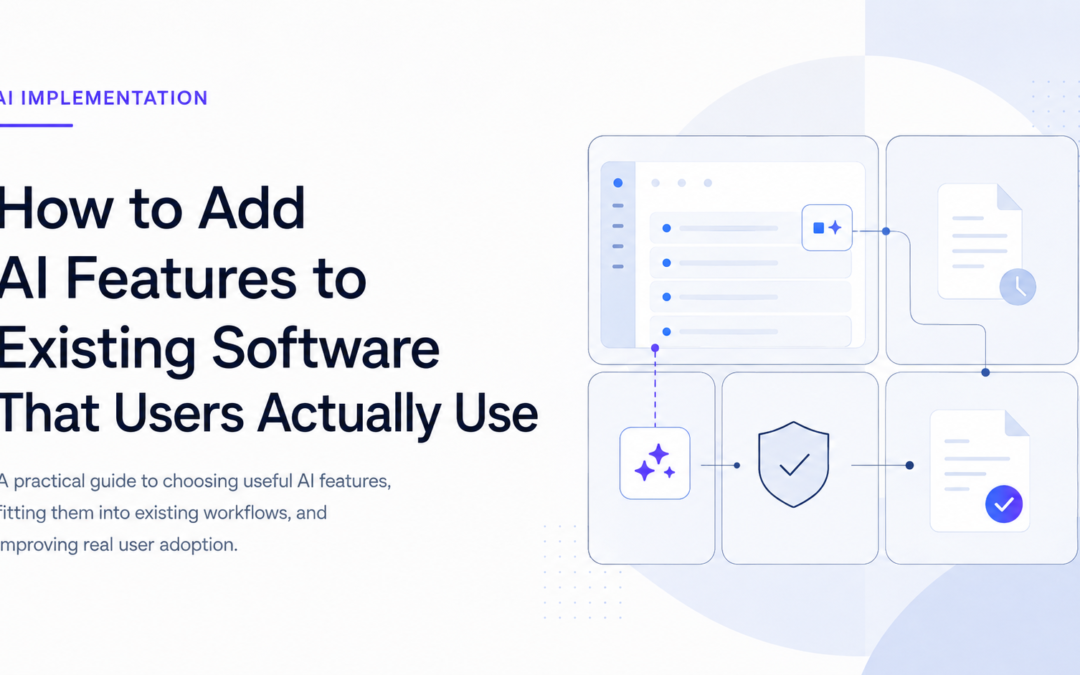
by Hanzala | Aug 1, 2026 | AI Implementation
Adding AI to existing software is easy. Adding an AI feature that users continue to use is much harder. Many software companies start with the technology. They choose a model, add a chat box, connect an API, and announce that the product now includes AI. Users may try...

by Byteonic | Jun 14, 2026 | AI Implementation
Most AI systems inside companies still work like a chat window. A user opens the interface, types a question, waits for an answer, and then decides what to do with the response. That pattern is useful for support, research, writing, and quick internal help, but it is...

by Byteonic | Jun 6, 2026 | AI Implementation
Most companies arrive at AI the same way. A founder sees a competitor launch an AI chatbot. A CTO sits through a vendor demo. A team lead gets frustrated running the same manual process for the hundredth time. Someone, somewhere, says the words: “We need to do...

by Byteonic | Dec 9, 2025 | AI Implementation
AI has moved from experimentation to real business value, but most companies still get stuck on one basic question: what kind of AI system should they build?Should they use a standard LLM, a RAG-based system, or go straight into AI agents? Each option solves different...

by Byteonic | Sep 21, 2025 | AI Implementation
AI voice agents are no longer futuristic experiments. Today, businesses can build voice systems that call leads automatically, detect callback requests in natural language, and handle follow-ups all without human intervention. These systems are multilingual, scalable,...